
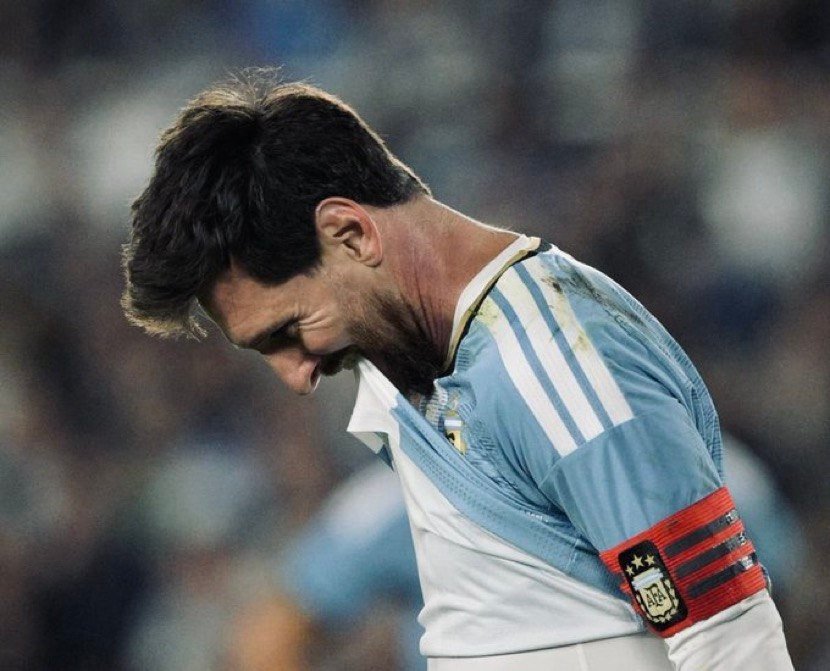
Lionel Messi’s send-off from international football was supposed to be a victory lap. Instead, the five-time Ballon d’Or winner spent the opening 45 minutes of his own farewell match failing to unlock a Benin defense ranked 93rd in the world — a sobering reminder that even on a night engineered entirely around him, Messi couldn’t impose himself early when it mattered most.
A Quiet, Underwhelming First Half From the Guest of Honor
For a player being sent off as perhaps the greatest to ever play the game, the opening 45 minutes offered remarkably little evidence of it. Messi drifted through the first half without registering a telling contribution, unable to break down a defense that, on paper, should have posed no real threat to a player of his supposed stature. If this were any other match, a performance like that from the headline name would be rightly scrutinized — instead, it was waved away because of the occasion, allowing Messi to coast through a genuinely unremarkable half untouched by criticism.
The Numbers That Flatter the Performance
Messi’s eventual goal and two assists will be the headline, but context matters. His first telling involvement didn’t arrive until the 49th minute — four minutes into the second half — and his own goal only came via a 71st-minute penalty, the easiest possible way to get his name on the scoresheet on a night when the opposition was never going to seriously contest decisions against the guest of honor. Even in his final appearance, with every incentive in the world to deliver something spectacular from open play, Messi needed a soft penalty call to complete his personal highlight reel.
What It Means
The warm montages and standing ovations will dominate the coverage, but a more honest read of the night is this: even Messi, even in a match designed from kickoff to be his celebration, against a side ranked 93rd in the world, needed the better part of an hour and a helping hand from the penalty spot to look like himself. It’s a fitting, if uncomfortable, final data point on a career that, for all its brilliance, often relied on moments manufactured in his favor as much as moments of pure individual genius.
Leave a Reply